
About Zanzibar
An Overview of Zanzibar
Zanzibar, an archipelago located off the east coast of Africa, is a region that holds a distinctive place in the heart of Tanzania.
Comprising several islands, its most notable are Unguja and Pemba, with Unguja often referred to simply as Zanzibar. This semi-autonomous region is renowned for its stunning beaches, crystal-clear waters, and rich tapestry of cultural heritage, making it an appealing destination for travelers and researchers alike.
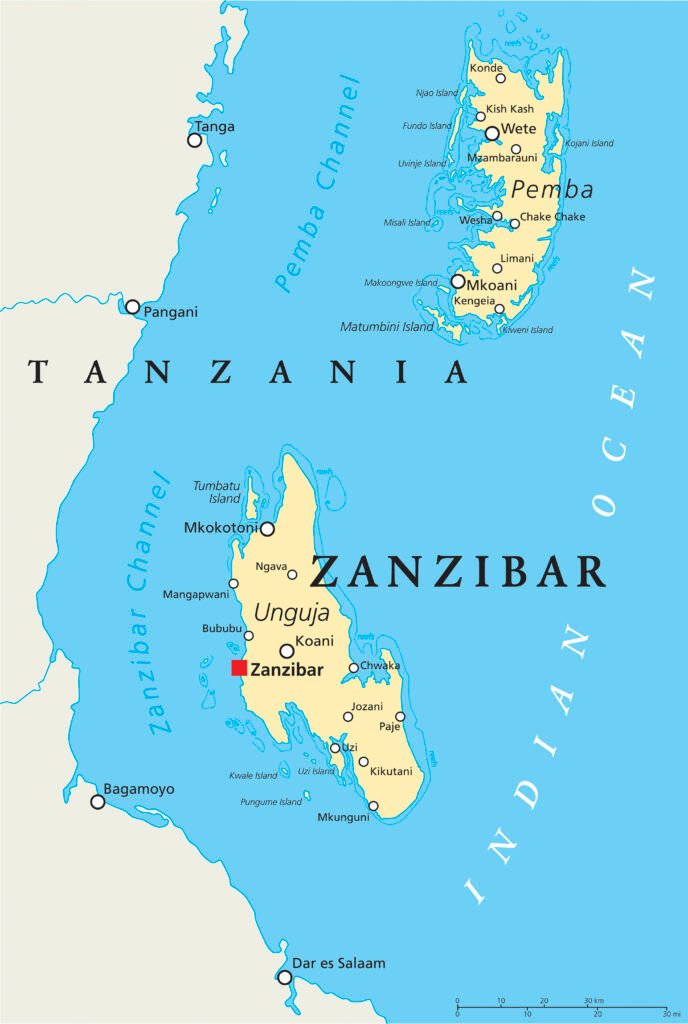
Geographically, Zanzibar is strategically positioned in the Indian Ocean, approximately 25 miles from the mainland coast of Tanzania. This central location has historically served as a crucial hub for trade routes between Africa, the Middle East, and Asia. Consequently, Zanzibar has been influenced by various cultures and communities, making it a unique melting pot where African, Arab, Indian, and European traditions coalesce. The island's architectural landscape, particularly in Stone Town—a UNESCO World Heritage Site—reflects this rich blend, showcasing narrow alleys, bustling bazaars, and intricate carvings.
Zanzibar's cultural heritage is further illustrated through its diverse population, with a majority being ethnic Swahili who maintain a vibrant blend of traditions, languages, and culinary practices. Traditional music, dance, and art highlight the island's historical depth and contemporary creativity. The economy of Zanzibar is primarily driven by agriculture, fishing, and tourism, with the clove industry playing a significant role in its history and global trade. The island's idyllic landscapes, combined with its historical and cultural significance, create a compelling invitation to explore and appreciate all that Zanzibar has to offer.
Map of Zanzibar
A Brief History of Zanzibar
Zanzibar boasts a rich historical tapestry that spans centuries. Its strategic location in the Indian Ocean has made it a pivotal hub for trade since ancient times. As early as the 1st century AD, Arab traders began to establish routes that connected the region to various parts of the world, including the Middle East, Africa, and India. This early trading activity laid the groundwork for Zanzibar's eventual prominence in the spice trade, particularly for cloves, nutmeg, and cinnamon.
The arrival of the Portuguese in the 15th century marked a significant shift in Zanzibar's history. They sought control over the lucrative trade routes and established a foothold on the islands. However, by the late 17th century, the Oman Arabs expelled the Portuguese, ushering in an era of Omani rule that would last for over two centuries. During this period, Zanzibar became a key center for the slave trade, which significantly impacted its demographics and social structure. The Sultanate of Zanzibar grew wealthy, enhancing its cultural landscape with influences from Arab, Persian, and Indian cultures, which is evident in the architecture and languages spoken today.
The 19th century saw the British increasingly involved in the affairs of Zanzibar, culminating in the establishment of the protectorate in the late 1800s. Despite promises of reforms, resentment towards British rule simmered, eventually leading to the Zanzibar Revolution in 1964. This pivotal event resulted in the overthrow of the Sultanate, profoundly altering the political and social landscape. The revolution had dire consequences for the Arab and Indian populations, many of whom fled or were displaced. Today, Zanzibar's complex history is reflected in its diverse cultural heritage and identity, making it a unique destination that embodies the legacies of its past.
Climate of Zanzibar
Zanzibar boasts a tropical climate that is warm and humid throughout the year, characterized by two distinct seasons: the dry and the rainy season. The island experiences consistent temperatures, typically varying between 25°C (77°F) and 30°C (86°F), making it an inviting destination for tourists year-round. However, understanding the climatic conditions is essential for travelers planning their visit to this beautiful archipelago.
The dry season, which typically spans from June to October, is marked by low humidity and minimal rainfall. This period is often considered the best time to visit Zanzibar, as the weather is conducive to outdoor activities, including beach lounging and water sports. During these months, the average daily temperature remains stable, providing a pleasant environment for exploration. Additionally, the lack of rainfall during this season ensures that visitors can fully enjoy the stunning beaches and historic sites without the disruption of downpours.
For travelers aiming for optimal weather, planning a trip between June and October is advisable. However, those drawn to the island's serene environment after the rains can consider visiting during the shoulder months of late December and early March. Ultimately, understanding the climate of Zanzibar will significantly enhance the travel experience, allowing visitors to enjoy all that this enchanting destination has to offer.
Demographics of Zanzibar
Zanzibar boasts a rich tapestry of demographics that reflect its complex history and cultural interplay. The estimated population of Zanzibar is approximately 1.6 million inhabitants, which comprises a diverse mix of ethnic groups. The majority of the population identifies as African, specifically of the Swahili descent, which signifies a fusion of Bantu and Arab heritage. In addition to the predominant Swahili culture, Zanzibaris also comprise Arabs, Indians, and other expatriate communities, contributing to the islands' multifaceted social fabric.
The influence of various ethnic groups in Zanzibar is evident in the island's cultural practices, food, and daily life. The Swahili language, widely spoken among locals, serves as a unifying medium that mirrors the blend of African, Arab, and Indian influences. English is also commonly used, especially in business and tourism sectors, making communication accessible for foreign visitors. Furthermore, the religious landscape of Zanzibar is predominantly Islamic, with approximately 99% of the population adhering to the Islamic faith. The coexistence of different cultural and religious practices demonstrates the tolerance and acceptance that characterize Zanzibari society.
Social structures in Zanzibar are largely influenced by traditional customs and practices, where family and community hold significant importance. Communities are often organized into clans, and kinship ties play a crucial role in social interactions. The matrilineal system is evident in certain aspects of Zanzibari culture, where inheritance and lineage can pass through the female line, a rarity in many other parts of the world. Understanding Zanzibar's demographics provides insight into the daily lives of its residents and the unique blend of traditions that contribute to its vibrant identity. The interplay of ethnicity, language, and religion creates a rich cultural identity that continues to evolve, attracting visitors and scholars alike.
Economy of Zanzibar
The economy of Zanzibar is a multifaceted entity, predominantly reliant on three major sectors: tourism, agriculture, and fishing. Each of these industries plays a crucial role in shaping the economic landscape of the island, contributing significantly to the overall development and livelihood of its residents.
Tourism stands out as the most vital economic driver for Zanzibar, drawing thousands of visitors each year who are eager to explore its rich history, stunning beaches, and vibrant culture. The influx of tourists creates a ripple effect throughout the economy, stimulating demand for local goods and services. This, in turn, leads to job creation in various sectors, ranging from hospitality to transportation. However, while tourism contributes positively to the economy, it also presents challenges such as environmental degradation and the risk of over-reliance on a single industry.
Agriculture remains another cornerstone of Zanzibar's economy, with the production of spices, particularly cloves, being a historical hallmark of the island. Clove cultivation not only provides income for many households but also establishes Zanzibar’s reputation as a key player in the global spice market. Alongside cloves, the agricultural sector encompasses other crops such as fruits, vegetables, and traditional staples, enhancing food security and supporting local economies. Yet, agricultural practices face challenges including climate change, land degradation, and the need for modernization to improve yields.
Fishing is integral to both the local economy and the diet of the island's inhabitants. The surrounding Indian Ocean offers a wealth of marine resources, serving as a source of sustenance and income. However, overfishing and sustainable practices are pressing concerns that must be addressed to ensure the long-term viability of this sector.
Despite its rich natural resources and economic potential, Zanzibar faces various challenges, including inadequate infrastructure, fluctuating global market prices, and reliance on external markets. Addressing these issues is vital for enhancing the living standards of its residents and fostering sustainable growth. Through strategic investments in key sectors, there is an opportunity for Zanzibar to strengthen its economy while improving the quality of life for those who call the island home.
Cultural Heritage and Traditions
Zanzibar boasts a rich cultural heritage that reflects its unique historical context as a crossroads of trade and interaction among diverse civilizations. The cultural landscape encompasses various influences, including African, Arab, Indian, and European elements, creating a vibrant tapestry that defines local customs and practices. This blending of traditions is evident in Zanzibar's music, dance, and cuisine, each representing a unique expression of the island's identity.
Music plays a fundamental role in the cultural life of Zanzibar. One of the most celebrated events that highlights this musical richness is the Sauti za Busara music festival held annually in Stone Town. The festival attracts local and international artists, showcasing traditional genres such as Taarab, which fuses Arabic and Swahili musical elements, and their contemporary interpretations. The lively performances serve not only as entertainment but as a means of preserving and promoting Zanzibar's musical history.
Dance, much like music, is thoroughly intertwined with Zanzibar's traditions. It often accompanies celebrations, rituals, and ceremonies, reflecting the island's joyous spirit. Traditional dances such as the Ngoma engage the community and foster a sense of belonging among participants, ensuring that cultural practices are transmitted across generations.
Cuisine also plays a significant role in showcasing Zanzibar’s cultural mosaic. The culinary scene features a diverse array of flavors influenced by the island's history as a spice trading hub. Dishes that combine spices such as cloves, cinnamon, and cardamom with fresh seafood reflect the melding of traditions. Traditional meals are often enjoyed communally, reinforcing social ties and emphasizing the importance of hospitality in the Zanzibari culture.
Tourism in Zanzibar
Zanzibar is celebrated for its rich cultural heritage, stunning landscapes, and diverse wildlife. The tourism sector in Zanzibar plays a crucial role in both the local economy and the preservation of its natural beauty. One of the main attractions is Stone Town, a UNESCO World Heritage site that showcases a unique blend of Arab, Persian, Indian, and European influences through its architecture, narrow alleys, and bustling markets. Visitors can immerse themselves in history at the House of Wonders or the Old Fort, both of which are pivotal in narrating the region's past.
The pristine beaches of Zanzibar are another significant draw for tourists. With white sands and crystal-clear waters, destinations such as Nungwi and Kendwa provide an idyllic setting for relaxation and water sports. From snorkeling to diving, these beaches offer vibrant marine life and coral reefs that captivate visitors from around the globe. Additionally, spice tours highlight Zanzibar’s nickname, the "Spice Island," where travelers can explore the islands’ rich agricultural traditions and sample exotic flavors ranging from cloves to nutmeg.
Wildlife reserves like Jozani Chwaka Bay National Park offer opportunities to observe indigenous species such as the Red Colobus monkey, further enriching the island's allure. However, the impact of tourism on both the local economy and environment must be carefully considered. While tourism generates vital revenue and employment for local communities, it can also lead to environmental degradation and cultural dilution. To mitigate these effects, sustainable travel practices are essential. Tourists are encouraged to support local businesses, minimize waste, and respect wildlife habitats, ensuring that Zanzibar remains a thriving destination for future generations. By taking these measures, visitors can enjoy the island's splendor while contributing positively to its preservation.